Shrimp Pad Thai

Shrimp Pad Thai is a delightful twist on the traditional Thai dish that brings a wonderful mix of flavors and textures straight to your table. With a satisfying chew from the rice noodles, a burst of umami from the shrimp, and the crunch of fresh vegetables, this dish truly offers an exciting culinary adventure. The best part? You can whip it up in no time, turning a weeknight dinner into a vibrant treat that feels special.
Table of Contents
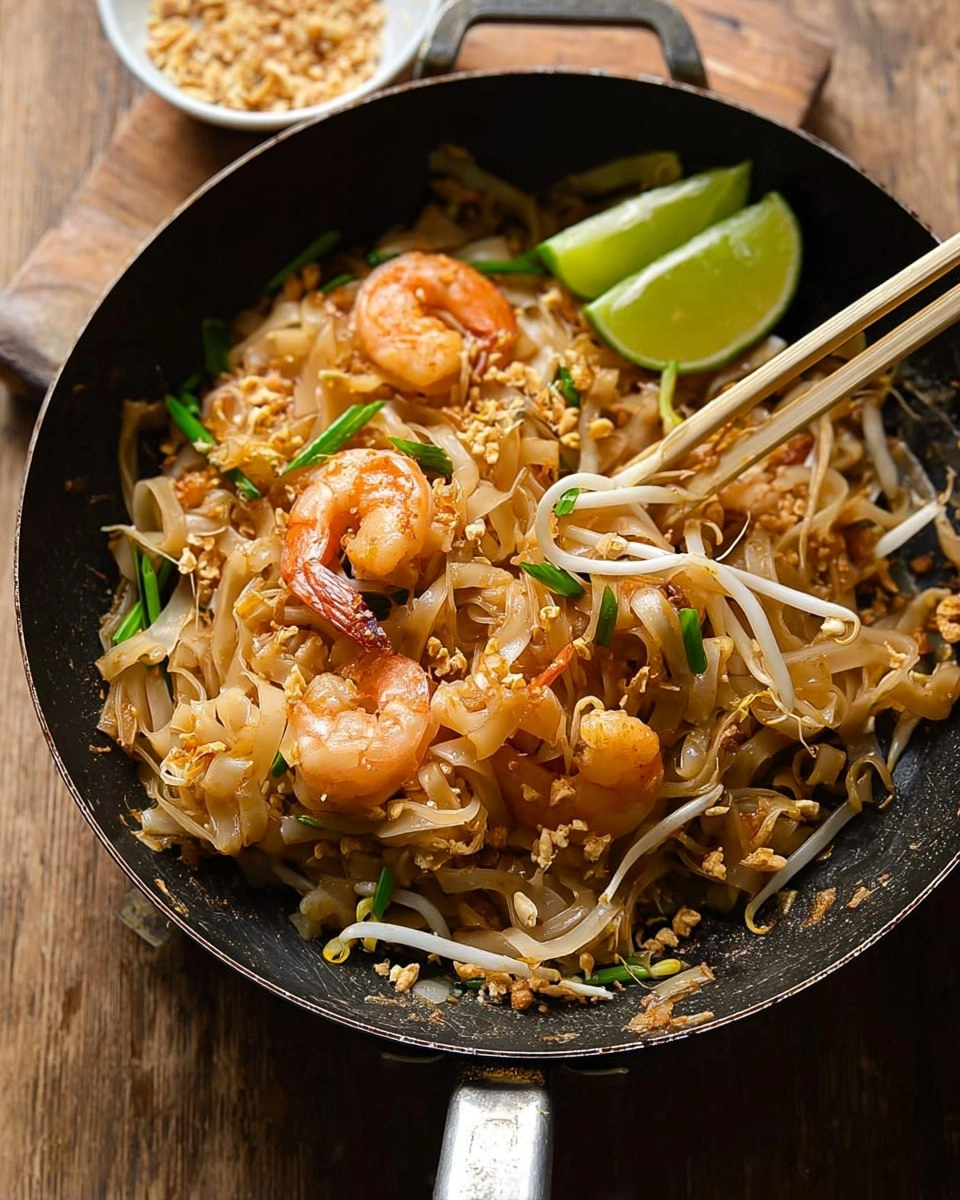
I stumbled upon my love for Shrimp Pad Thai during my travels through Thailand, where the street vendors served it fresh and hot. Every bite was a celebration of sweet, salty, and slightly tangy flavors, perfectly balanced and utterly delicious. Fast forward to my kitchen, and this recipe captures that same magic, allowing me to recreate those cherished moments with every scoop. It’s easy to prepare, budget-friendly, and, honestly, way better than takeout! I can’t wait for you to experience this fabulous dish yourself.
Why You’ll Love This Recipe
- Simple & Quick: This Shrimp Pad Thai comes together in just 30 minutes, making it perfect for busy nights when you still want something delicious.
- Irresistible Flavor: The combination of fresh shrimp, peanuts, and the savory sauce creates a party of flavors in every bite.
- Eye-Catching Appeal: Bright colors from vegetables and the addition of cilantro makes this dish as beautiful as it is tasty.
- Flexible Serving: Enjoy it as a cozy meal at home or impress your friends at a gathering; it’s perfect for any occasion.
- Diet-Friendly Options: You can easily swap in tofu or different veggies for a vegetarian or gluten-free version, so everyone can enjoy!
Ingredients You’ll Need
- 8 oz rice noodles: These are the classic base for Pad Thai; they absorb the flavors beautifully. Look for flat rice noodles specifically labeled for Pad Thai or stir-frying.
- 1 lb shrimp (peeled and deveined): Fresh or frozen shrimp can be used here, but make sure they are defrosted if using the latter for the best texture.
- 2 tbsp vegetable oil: This allows for frying the noodles and shrimp at a higher temperature, giving a nice sear.
- 2 eggs: These add richness and silkiness to the dish. Use large eggs for better consistency.
- 2 cups bean sprouts: They provide a crunch and a bit of freshness to contrast with the noodles.
- 3 green onions (sliced): These not only add flavor but also a splash of color.
- ¼ cup crushed peanuts: They add a delightful crunch and a nutty flavor that’s essential to Pad Thai.
- ¼ cup fish sauce: The key umami component of this dish, giving it that unique Pad Thai taste. You can substitute with soy sauce for a vegetarian version.
- 2 tbsp tamarind paste: This tangy paste is what really makes Pad Thai special. If you can’t find it, a combination of lime juice and brown sugar can work in a pinch.
- 1 tbsp brown sugar: For balancing out the savory and sour flavors.
- Lime wedges and cilantro for garnish: Fresh herbs and lime brighten the dish and enhance flavors.
How to Make Shrimp Pad Thai
- Prepare the noodles: Start by cooking the rice noodles according to package directions, usually soaking them in warm water until softened. Drain and set aside.
- Heat the oil: In a large skillet or wok, heat 2 tablespoons of vegetable oil over medium-high heat until shimmering.
- Cook the shrimp: Add the shrimp to the hot oil, cooking them until pink and opaque, around 3-4 minutes. Remove the shrimp and set aside.
- Scramble the eggs: In the same skillet, crack the eggs and scramble them gently for about 1 minute until just set.
- Combine noodles and sauce: Add the softened noodles, fish sauce, tamarind paste, and brown sugar to the skillet. Toss everything together until the noodles are coated and heated through.
- Add the veggies: Stir in the bean sprouts and green onions, mixing everything until the vegetables are just tender, around 2 minutes.
- Return the shrimp: Add the cooked shrimp back into the skillet and toss to combine, allowing the flavors to meld together for an additional minute.
- Serve and garnish: Plate your Shrimp Pad Thai, garnishing with crushed peanuts, fresh cilantro, and lime wedges on the side.
Storing & Reheating
To keep your Shrimp Pad Thai fresh, store any leftovers in an airtight container in the refrigerator for up to 3 days. For longer storage, consider freezing it in a freezer-safe container for up to 3 months. When you’re ready to enjoy it again, simply reheat in a skillet over medium heat until warmed through, adding a splash of water if necessary to maintain moisture. Keep in mind that the noodles may soften slightly upon reheating, but a quick stir will revitalize those delicious flavors!
Chef’s Helpful Tips
- Be careful not to overcook the shrimp; they only need a few minutes in the pan to stay tender and juicy.
- If your noodles stick together, a little drizzle of oil while tossing can help separate them.
- Fresh ingredients make a big difference in flavor—seek out quality shrimp and fresh veggies.
- For extra flavor, consider adding a splash of Sriracha or chili flakes for some heat.
- Make your Pad Thai ahead of time for meal prep and simply reheat for an easy weeknight dinner!
Shrimp Pad Thai is an exciting dish that envelops you in layers of flavor while allowing for creativity in the kitchen. From its satisfying texture to the wonderful combination of savory and sour, it’s an experience every home cook can master. Don’t shy away from experimenting with ingredient swaps and enhancements to find your perfect version. I hope you enjoy every bite!
Recipe FAQs
Can I make Shrimp Pad Thai with other proteins?
Absolutely! While shrimp is a classic choice, you can easily substitute it with chicken, tofu, or even just load up on extra veggies for a vegetarian option. Each protein brings unique flavors to the dish.
What if I can’t find tamarind paste?
If tamarind paste eludes you, don’t worry! You can mimic the flavor with a mixture of lime juice and brown sugar (about 1 tablespoon lime juice and 1 teaspoon brown sugar). It won’t be the same, but it will still be delicious!
How do I prevent the noodles from sticking together?
To keep your rice noodles from clumping, ensure they are well-drained after soaking and try to add them directly to the hot pan. Tossing them with a little oil can also help keep them separate.
Can I make Shrimp Pad Thai vegan?
Definitely! For a vegan version, replace shrimp with tofu and substitute fish sauce with soy sauce or tamari. The flavor will still shine through beautifully with the right tamarind paste mix.
PrintMore Dinner Recipes
- Slow Cooker Maple Mustard Corned Beef
- Chicken and Spinach Lasagna (With Rotisserie Chicken)
- Baked Feta Pasta
- Zucchini Lasagna Bolognese
- Cajun Shrimp and Sausage Pasta
Did You Enjoy Making This Recipe? Please rate this recipe with ⭐⭐⭐⭐⭐ or leave a comment.
📖 Recipe Card
Shrimp Pad Thai
- Prep Time: N/A
- Cook Time: N/A
- Total Time: 0 hours
- Yield: 4 servings
- Category: Dinner
- Method: Stir Fry
- Cuisine: Thai
Description
Shrimp Pad Thai offers a delightful mix of shrimp and rice noodles tossed in a savory sauce, making it a quick and flavorful meal for any occasion. Perfect for those seeking homemade comfort food!
Ingredients
- rice noodles
- tamarind purée
- fish sauce
- light brown sugar
- vegetable oil
- shrimp
- shallot
- minced garlic
- chilli flakes
- eggs
- bean sprouts
- green onions
- peanuts
- lime wedges
Instructions
- Soak the rice noodles in hot water for 30-40 minutes until mostly softened. Mix the tamarind purée, fish sauce, and light brown sugar. Set aside for the sugar to dissolve.
- In a large wok, heat 1 tbsp of vegetable oil. Add the shrimp and cook until pink on each side. Remove from heat and set aside in a bowl.
- In the same wok, add another tbsp of oil. Stir-fry chopped shallot, minced garlic, and chilli flakes for a minute. Add the drained noodles with some of the water clinging to them and the mixed sauce. Cook while stirring for 1-2 minutes until the noodles are soft but still slightly chewy.
- Move the noodles to one side of the wok, break 2 eggs into the free space, and let them cook for 30 seconds. Pile the noodles on top of the eggs and cook a bit longer until the eggs are set; then toss to combine.
- Add bean sprouts, green onions, cooked shrimp, and half of the peanuts into the wok. Toss until onions are slightly wilted and the bean sprouts are still crunchy. Remove from heat and serve with lime wedges and remaining peanuts.
Notes
Adjust the spice level by varying the amount of chilli flakes added.
For extra flavor, consider adding a squeeze of lime juice before serving.
Nutrition
- Serving Size: 1 serving
- Calories: 450
- Sugar: 5g
- Sodium: 750mg
- Fat: 12g
- Saturated Fat: 2g
- Unsaturated Fat: 8g
- Trans Fat: 0g
- Carbohydrates: 65g
- Fiber: 3g
- Protein: 22g
- Cholesterol: 210mg